Signal Leakage Field Strength
By Ron Hranac — Cable operators for decades have dealt with the monitoring and measurement of signal leakage field strength. But just what is field strength?
Read More
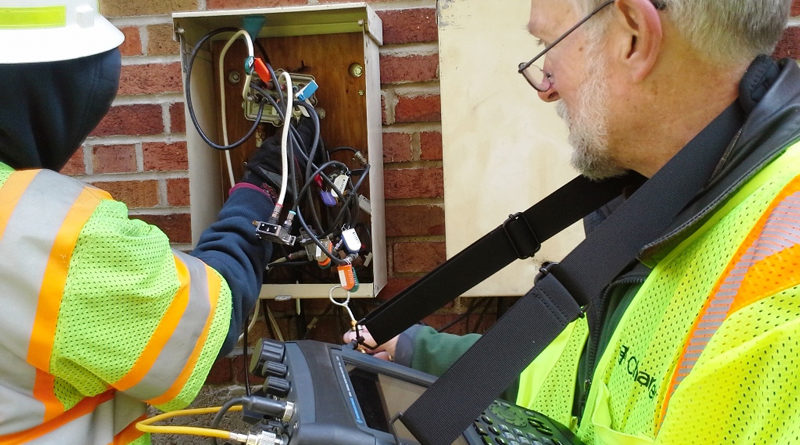
By Ron Hranac — Cable operators for decades have dealt with the monitoring and measurement of signal leakage field strength. But just what is field strength?
Read More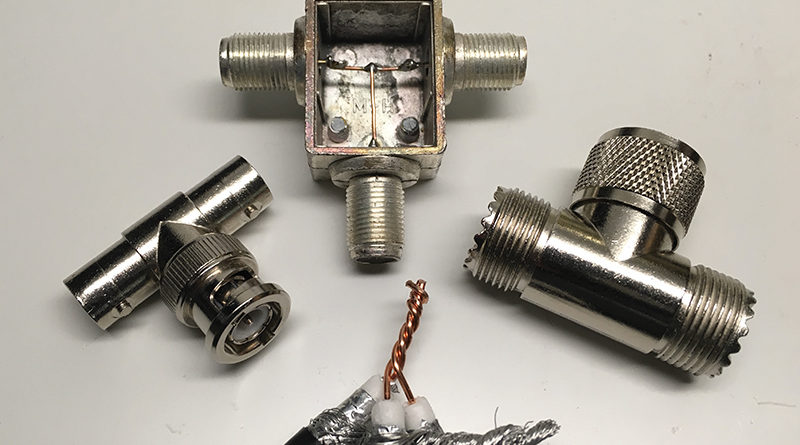
By Ron Hranac — In this second installment of a three-part article, the discussion about measurement of downstream RF signal levels continues.
Read More
By Ron Hranac — Earlier this year SCTE·ISBE’s Rocky Mountain Chapter instituted a new program called Last Thursday, a monthly meet-up on the last Thursday of every month. The meetings are open to all chapter members, guests, and those interested in SCTE·ISBE, and provide a fun and social way to participate with the chapter.
Read MoreBy Ron Hranac — Making accurate signal level measurements is not quite as simple as it might seem at first glance. This installment concludes the discussion about various factors that can affect those measurements, and includes tips to ensure more accurate and reliable results.
Read More
By Ron Hranac – In this second installment of a three-part article, the discussion about measurement of downstream RF signal levels continues. Signal Source Output Signal Level Accuracy — The purpose of measuring a signal source’s output RF signal level or power is to confirm that it meets a desired value or perhaps some other specified value such as the manufacturer’s published spec.
Read MoreBy Ron Hranac – Optimum cable network downstream performance requires that radio frequency (RF) signal levels be measured and set correctly. RF signal levels affect nearly every part of a cable network’s operation: headend/hub site, optical fiber links, coax distribution, subscriber drops, and customer premises equipment (CPE).
Read More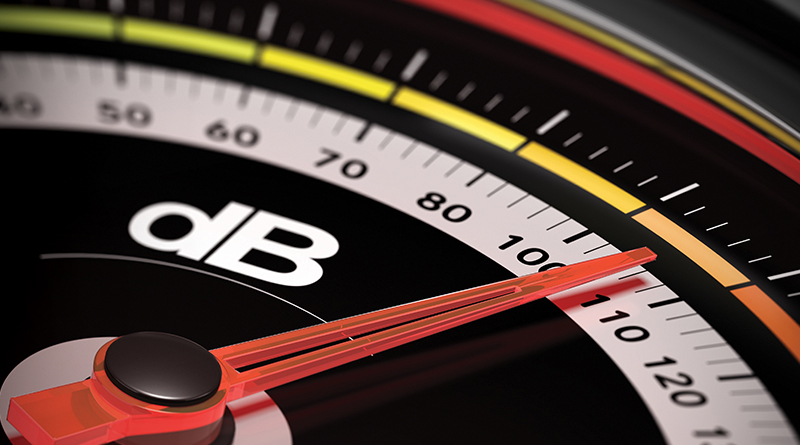
By Ron Hranac – The decibel plays a major role in the world of test and measurement. Simply put, the decibel — abbreviated dB — is used to express the ratio of two power levels. That’s it. The following is a more formal definition, included in two of SCTE’s operational practices
Read MoreBy Ron Hranac – The coaxial cable portion of our networks has long been designed and built to have a nominal impedance of 75 ohms. The word “nominal” is used to describe the impedance, because it’s pretty much impossible for the impedance to be exactly 75 ohms, especially across a wide frequency range.
Read More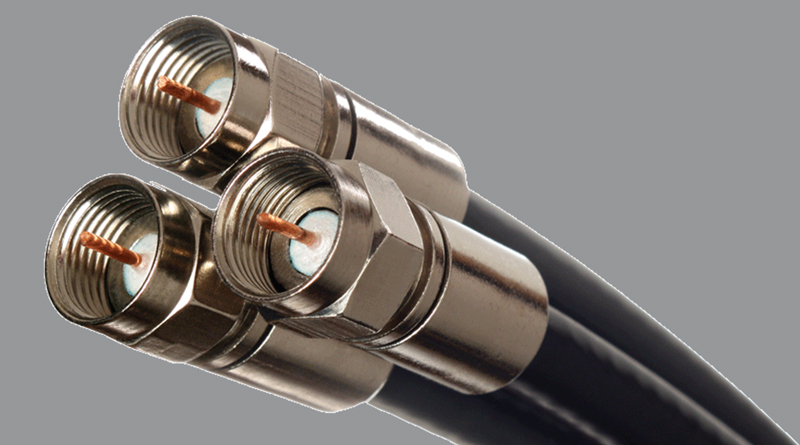
By Ron Hranac – Have you ever wondered why we have standards and specifications? Among other things, standards and specs support interoperability, define various interfaces and constants, and help to ensure that things work more or less as they were intended.
Read More